
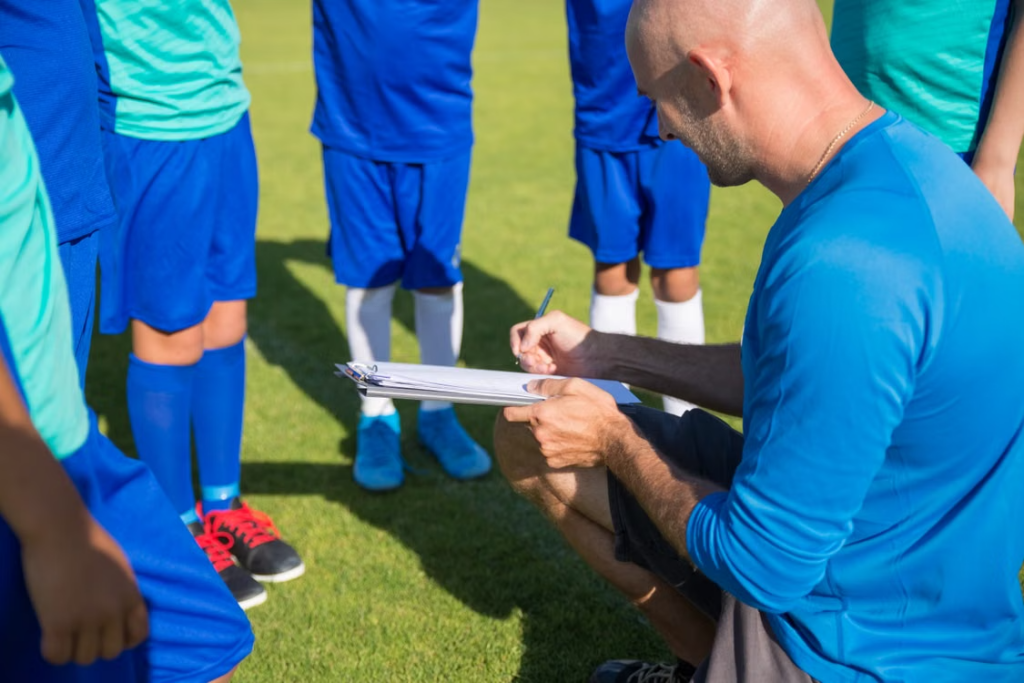
Want to climb to the top in the sports industry?
The battle to lead in sports is competitive. Teams, leagues and athletic departments want administrators who can:
- Drive results on and off the field
- Manage budgets and people at the same time
- Handle pressure without breaking a sweat
Here’s the problem:
Most assume passion for sports is all that you need. Wrong. Operations management for today’s sports organizations requires a very unique set of leadership qualities that are honed over years.
The good news? These skills can be learned.
Sports administration is more than rooting for your favorite team. Someone has to oversee a multi-million dollar industry. Here is your comprehensive list of leadership qualities every sports administrator should have.
Here’s the breakdown:
- Why Leadership Matters In Sports Operations
- The 6x Core Leadership Skills Every Administrator Needs
- How To Develop These Skills
Why Leadership Matters In Sports Operations
Sports is no longer just a game… It’s a global business.
The worldwide sports market reached $417 billion in 2025 and is only increasing annually. With money like that comes high stakes. Owners, sponsors, and fans want returns — and they want them yesterday.
This is what distinguishes good leaders from bad. A successful sports administrator understands how to run both business and competition operations. Making difficult decisions, inspiring employees and keeping the trains running even in a losing season.
If you’re serious about pursuing a career in this field, earning a BA in Organizational Leadership Online is one of the best ways to prepare for a career in sports operations management. It provides you with the leadership skills, business acumen, and decision-making capabilities you need to successfully operate an athletic organization of any size.
And the numbers back it up…
The U.S. Bureau of Labor Statistics estimates there will be about 99,700 openings each year for entertainment and sports jobs through 2034. There is plenty of opportunity if you have the skills to lead.
The 6x Core Leadership Skills Every Administrator Needs
Ok now on to the meat of the article. These characteristics help make excellent leaders in sport administration.
Strategic Decision-Making
Sports administrators make hundreds of decisions every week.
Player contracts. Facility improvements. Sponsorships. Promotions. … Every decision affects the bottom line. Thinking strategically requires you to look beyond next week’s game and plan for the next 3-5 years.
Strong strategic thinkers know how to:
- Weigh short-term wins against long-term goals
- Use data to back up gut instincts
- Build a roadmap the whole organization can follow
Without this skill, you’ll spend your days reacting to problems instead of preventing them.
Financial Acumen
Money talks in sports operations management.
Budgets are squeezed. Revenue lines are more complex than ever. One bad financial move can cripple a department for decades. Good administrators know:
- Revenue models (ticket sales, sponsorships, broadcasting rights, merchandise)
- Cost control across departments
- ROI on facility investments and personnel
You won’t have to be a CPA, but you will need to read a balance sheet and ask intelligent questions. Sponsorship agreements, broadcast deals and player salaries all impact the financial side of the business.
Communication & Team Building
Sports organizations have a lot of moving parts.
Coaches, players, marketing directors, ticket sales, facilities directors, medical staff. … You name it. Everyone must communicate. The most successful sports administrators are excellent communicators who:
- Set clear expectations
- Listen actively to staff and stakeholders
- Resolve conflicts quickly
Here’s the thing:
Culture begins with leadership. If the leader can’t see the vision clearly enough to communicate it, then no one else can. And when communication falters, performance suffers.
Adaptability & Innovation
The sports industry changes fast.
New technology. New media platforms. New fan expectations. If you aren’t willing to evolve, you will be left behind. Fortunately for you, smart administrators know to…
- Embracing new technology like analytics and streaming platforms
- Experimenting with fan engagement strategies
- Updating operations to match modern expectations
Take digital streaming, NIL agreements and sports gambling. Three developments in the last handful of years that have transformed athletic departments. The AD’s who embraced them are now thriving. The ones that didn’t are still playing catch up.
Crisis Management
Things go wrong in sports. A lot.
Injuries. Scandals. Weather delays. Social media meltdowns. You name it. Sports administrators deal with it all. Crisis management is keeping your cool when it counts.
The best crisis leaders:
- Have a clear plan before a crisis hits
- Communicate quickly and honestly
- Take responsibility instead of pointing fingers
This skill alone has saved more careers than any other on this list.
Ethical Leadership
Sports is built on trust.
Fans believe the organization will do what’s right. Players believe leadership has their best interests at heart. Sponsors believe administrators will protect their brand. One unethical decision can ruin years of progress.
Ethical leadership trickles down. If leaders play by the rules, treat people with fairness, and act with integrity (doing what is right rather than what is profitable), so will employees.
How To Develop These Skills
Here’s the truth… Leadership skills don’t happen by accident.
The most successful sports administrators got there by combining three things:
- Formal education — Obtaining a degree specializing in organizational leadership or sports administration provides academic credentials.
- Hands-on experience — Whether it’s an internship, volunteer position or entry-level job in an athletic department, you gain real-world skills.
- Continuous learning — Reading trade journals, attending seminars and meeting with other vendors helps to stay on top of your game.
Many people skip this step and try to learn education from doing. That will work but it will take you much longer. By receiving a degree you are condensing years of trial and error into a curriculum that will accelerate your development.
Salary is strong as well. Many positions in the upper administration levels of sport earn well above the median.
OK. So you want to be serious about this career path. Begin developing these muscles. Now. Not when you think you’ve “made it.”
Final Thoughts
The leadership skills listed in this article are what make up every successful career in sports ops. Here’s a brief rundown:
- Strategic decision-making
- Financial acumen
- Communication and team building
- Adaptability and innovation
- Crisis management
- Ethical leadership
None of these skills develop overnight. They require years of repetition, failure, and refinement. However, the administrators who invest the time in developing these skills are the ones that end up leading championship organizations.
Do you want to be a leader who performs in the sports industry – on and off the field?