
Want to scale production without sacrificing quality?
You’re not alone. Manufacturers understand growth requires increased output. But more production typically means defects. Delayed deliveries. And unhappy customers.
There’s a problem…
Scaling production isn’t easy. Factories run harder and longer to make more stuff. And if you’re not careful, quality will suffer the moment you start scaling.
The good news? Manufacturers have scaled successfully in the past. And there are tactical approaches you can take to avoid losing quality as you scale production.
With labor shortages and skill gaps leaving nearly 20.6% of U.S. manufacturing plants running below full capacity, now is the perfect time to learn how to scale production the right way.
Here’s what you’ll learn:
- Why Manufacturing Capacity Planning Is Important
- Common Mistakes That Destroy Quality During Scaling
- 5 Tactical Approaches to Scale Production
- How to Increase Growth While Maintaining Quality Standards
Why Manufacturing Capacity Planning Is Important
One of the most important things you can do when scaling production is plan for it.
Let’s back up for a second
If you don’t know your current capacity, how will you know how much more you can handle? Guessing leads to mistakes. And mistakes hurt manufacturing productivity.
A good capacity planning solution allows you to plan for realistic production output. Capacity planning takes into account available equipment, employee skillsets, and material availability before issues occur on the factory floor.
Manufacturing capacity planning is crucial right now for a few reasons:
COVID exposed just how fragile supply chains can be. Manufacturers were caught completely off guard because they didn’t have a solid understanding of their maximum production capacity.
According to Deloitte and The Manufacturing Institute, there could be as many as 3.8 million manufacturing jobs available between 2024 and 2033. What’s more? 1.9 million of those jobs may go unfilled.
That’s almost HALF of the manufacturing workforce.
What does this mean for capacity planning? Well, manufacturers can no longer just throw more people at the problem and expect to increase output. There just aren’t enough skilled workers to do that.
Successful manufacturers will be those who can maximize capacity with the resources they currently have.
Common Mistakes That Destroy Quality During Scaling
Ok. Before we jump into how to scale production the right way. Let’s review what NOT to do.
Typically, manufacturers make the following mistakes when scaling production:
- Speeding into scale mode without data
- Ignoring current workforce limitations
- Skipping preventive maintenance checks
- Forgetting about quality control
Simply put, manufacturers who try to scale too fast end up wasting time fixing problems. Rather than accelerating growth, they struggle to keep the production line moving.
5 Tactical Approaches to Scale Production
Ready for the good stuff. These are tactical approaches you can take to scale production the right way.
Track Capacity In Real-Time
Running blind into scaling production is never a good idea.
Tracking capacity in real-time gives plant managers insight into what’s actually happening on the shop floor. From machine usage rates to worker productivity, real-time data allows you to identify bottlenecks as they’re happening.
Why is this important?
The sooner you know there’s a problem, the cheaper it is to fix. Real-time capacity planning can monitor equipment performance and alert you to problems before they become larger issues.
Plan For A Flexible Workforce
The manufacturing labor shortage is here to stay.
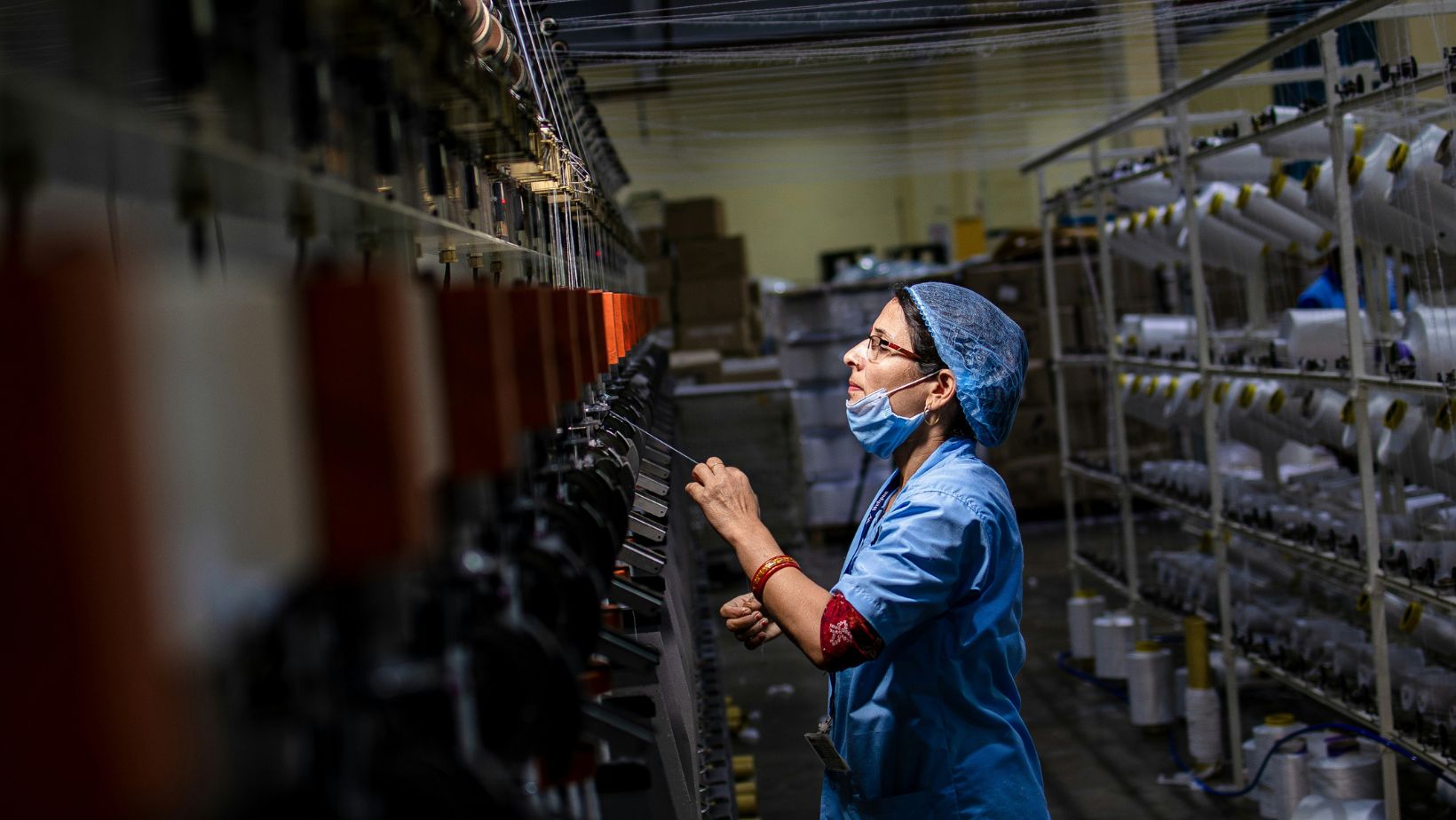
To combat high employee turnover and a lack of skilled workers, smart manufacturers are planning for a flexible workforce.
Having employees that can perform multiple roles gives your operation the flexibility needed when demand increases. It also allows you to maintain quality when staff members are out sick or on vacation.
Here are some ways to build a more flexible workforce:
- Train workers to operate multiple types of equipment
- Standardize work instructions to decrease training times for new hires
- Develop shift frameworks that allow for adjustments during demand fluctuations
- Build relationships with trade schools to develop apprenticeship programs
Planning for a flexible workforce allows you to scale without losing quality because there are backups ready and able to step in when needed.
Standardize Processes First
Here’s a tip many manufacturers don’t take advantage of…
You can’t scale messy processes. Period. If your current production process is a tangled web of back-and-forths, scaling will only create more chaos.
Standardization requires you to write out every step of your manufacturing process. Establish quality checkpoints throughout production. And ensure all employees are following the same procedure.
What are the benefits of standardization?
First, your training process will be much faster. New hires have someone else’s notes and methodologies to study, not their own made-up process.
Second, your quality becomes predictable. When everyone is following the same steps, your output quality will remain steady no matter who is working on the production line.
Implement Predictive Maintenance
Last thing you need during a hectic period of high-volume production is equipment failure.
Predictive maintenance utilizes equipment sensors to pinpoint parts that will fail soon. Preventative maintenance reduces unexpected downtime that forces employees to cut corners and decrease quality to meet deadlines.
Additionally, equipment that’s serviced based on condition instead of “scheduled” service dates tend to have fewer failures. Your production scheduling is less likely to get interrupted.
Institute Quality Gates During Production
Inspecting finished goods for quality issues isn’t good enough.
By building quality gates throughout your production process, you can stop defects before they continue flowing through your production line.
Some examples of quality gates are:
- Incoming material inspection
- In-process inspections at crucial stages of production
- Statistical process control monitoring
- Final inspection before packaging and shipping
Quality gates act as a barrier for defects. Instead of pouring resources into fixing a large batch of defective products, issues are corrected as they occur.
How to Increase Growth While Maintaining Quality Standards
Growing your production output and maintaining quality are two sides of the same coin. You can’t do one without the other.
Start with good data. Guessing what your maximum production capacity is never works in your favor. Track equipment usage, labor capacity, and quality metrics closely.
Plan for bottlenecks. Every production operation has constraints. Identify them early and look for ways to improve them before scaling.
Invest in your workforce. New equipment is great. But, well-trained and engaged employees are what will deliver quality parts in the end.
Build quality into your process. Relying on one final inspection to find all your defects is unreasonable. Design your production process in a way that prevents defects from occurring.
Wrapping It Up
Scaling production comes with risks. But with the proper knowledge and tactical approaches, you can scale successfully without sacrificing quality.
Understanding your maximum production capacity is the first step. Manufacturing capacity planning will allow you to know how much you can realistically produce with the resources you currently have.
Take away these lessons:
- Monitor your capacity from the front lines in real-time
- Create a plan for a flexible workforce
- Standardize your current production process
- Use predictive maintenance on equipment
- Create quality gates during production instead of one final inspection
Manufacturers that understand these lessons grow exponentially when they decide to scale. Not only will your quality remain consistent, but your customers will notice and appreciate the high standards you’re upholding.
Plus. Scaling won’t feel like such a headache.